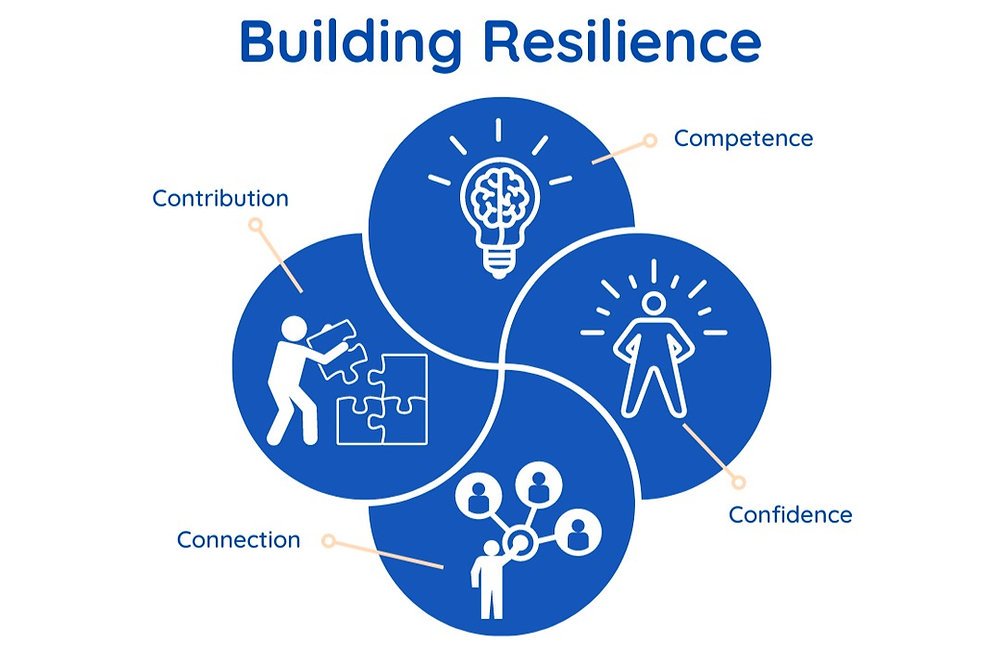
Life rarely unfolds as a perfectly smooth path. We all encounter obstacles, setbacks, and moments where we feel we're falling short or missing out. Sometimes, these feelings of lack are tied to objective hardships – a job loss, an illness, a shattered relationship. But often, the challenge isn't the hardship itself, but our perception of it: a sense of perceived deprivation. This feeling, whether rooted in stark reality or comparison-driven anxiety, can be just as debilitating as any tangible loss. It’s here, in the space between what we have and what we feel we lack, that the profound power of Building Resilience Against Perceived Deprivation to Overcome Adversity truly shines.
This guide isn't about ignoring reality or denying legitimate struggles. Instead, it’s about cultivating the inner strength, the flexible mindset, and the actionable strategies to not just endure these moments, but to learn, adapt, and grow from them. It’s about recognizing that while we can't always control our circumstances, we can absolutely control our response.
At a Glance: Building Your Inner Strength
- Understanding Perceived Deprivation: It's how we interpret what we lack, which often feels as real as tangible loss.
- The Power of Resilience: More than just bouncing back, it's about growing stronger through challenges.
- Key Traits: Optimism, self-efficacy, adaptability, and emotional regulation are cornerstones of resilience.
- Life Stage Matters: Resilience develops uniquely from childhood through adulthood, influenced by support systems and experiences.
- Holistic Health: Physical well-being (exercise, nutrition, sleep) is crucial for mental fortitude.
- Proven Strategies: Cognitive-Behavioral Therapy (CBT), mindfulness, and positive psychology offer powerful tools.
- Hands-On Practice: Simple exercises like gratitude journaling and self-compassion can make a big difference.
- Structured Growth: Resilience training programs offer a roadmap for sustained personal development.
Understanding the Landscape: What is Perceived Deprivation, and Why Does it Matter?
Imagine scrolling through social media, seeing highlight reels of perfect vacations, thriving careers, and blissful relationships. You might intellectually know these are curated snapshots, yet a gnawing feeling persists: "I don't have that." This is perceived deprivation in action – a subjective feeling of lacking something desirable that others have, or that you believe you should have. It doesn't always align with objective reality; you might be well-off by many standards, but still feel deprived.
This sensation is a powerful catalyst for adversity. It fuels envy, anxiety, dissatisfaction, and even chronic stress. It can make minor setbacks feel catastrophic and make it difficult to appreciate what you do possess. This is precisely where resilience steps in.
Resilience, at its heart, is your capacity to not just cope with life’s challenges, but to truly bounce back from adversity and even grow stronger in the process (Masten & Reed, 2002; Luthar, Cicchetti, & Becker, 2000). It's a dynamic, multifaceted construct, influenced by a blend of your personal characteristics, past experiences, social connections, environment, and even your genetic makeup. Building resilience against perceived deprivation means equipping yourself to navigate these feelings of lack, transforming potential pitfalls into stepping stones for profound personal growth and transformation.
The Core of Resilience: More Than Just "Bouncing Back"
When we talk about resilience, the image of a rubber ball bouncing back after being dropped often comes to mind. While accurate, it's also an oversimplification. True resilience isn't just about returning to your original state; it encompasses recovery, yes, but also sustainability in the face of ongoing stress, and ultimately, growth. It's about adapting, learning, and emerging from difficult experiences with new insights, skills, and a deeper understanding of yourself and the world.
Think of it like forging metal: the heat and pressure don't just return it to its original shape; they refine it, making it stronger and more durable. Resilience is this transformative process, helping you find meaning and purpose even when confronted with a deep sense of lacking.
Your Inner Toolkit: Characteristics of Resilient Individuals
While resilience is a skill you can cultivate, certain personal characteristics consistently appear in individuals who navigate adversity with greater ease. These aren't fixed traits you either have or don't; many can be developed over time.
- Optimism: This isn't about naive positivity, but rather expecting positive outcomes and viewing stressful situations as manageable challenges (Carver, Scheier, & Segerstrom, 2010). It's believing that difficulties are temporary and surmountable.
- Self-Efficacy: This is your unwavering belief in your own ability to influence events and achieve desired outcomes (Bandura, 1997). When you feel capable, you're more likely to take action rather than feel helpless in the face of perceived deprivation.
- Adaptability/Flexibility: Life is constantly changing, and so must we. This trait is the capacity to adjust your thoughts, emotions, and behaviors to new or shifting circumstances (Bonanno, 2004).
- Emotional Regulation: The ability to effectively manage your emotions, staying composed and thoughtful even under significant stress, is paramount. This doesn't mean suppressing feelings, but understanding and channeling them constructively.
- Problem-Solving Skills: Resilient people are proactive thinkers. They don't just dwell on problems; they assess situations, break them down, and actively identify potential solutions.
- Strong Social Support: A robust network of friends, family, and colleagues acts as a vital buffer against stress. Knowing you're not alone in your struggles, and having people to lean on, significantly boosts resilience.
- Perseverance and Tenacity: Refusing to give up on your goals and values, even when faced with significant setbacks or the feeling that you're always starting from behind, is a hallmark of resilience.
- Self-Reflection: Taking time to learn from experiences, understand your own reactions, and acknowledge mistakes without judgment is a powerful tool for growth.
- Empathy and Compassion: Understanding and offering comfort to others can paradoxically strengthen your own resilience by fostering connection and perspective.
- Sense of Purpose: Having clear values, meaningful goals, and a sense of direction in life provides an anchor when external circumstances feel chaotic or depriving.
Resilience Through the Ages: How We Build Strength at Every Life Stage
Resilience isn't a one-and-done achievement; it's a lifelong journey, shaped uniquely by our experiences at different points in our lives.
Childhood: Nurturing the Foundations
The earliest seeds of resilience are sown in childhood. Here, the family environment, early social connections, and even a child's innate temperament play a huge role. Supportive caregiving, stable relationships with caring adults, and positive experiences at school are absolutely crucial (Werner & Smith, 2001; Masten, 2015). For instance, programs like "The Incredible Years" effectively build resilience in young children by enhancing social-emotional skills and strengthening parent-child interactions (Webster-Stratton & Reid, 2018). These early protective factors help children develop a sense of security and self-worth, making them better equipped to handle the perceived deprivations of growing up – whether it's not getting the toy they want or struggling with a school subject.
Adolescence: Forging Identity and Independence
Adolescence is a whirlwind of identity formation, autonomy-seeking, and intense social pressures. Resilience in this stage is fostered by opportunities for positive risk-taking (e.g., trying out for a play, joining a new club), healthy peer relationships, and continued supportive environments at home and school (Steinberg, 2005). School-based programs, like WestEd's "Resilience and Youth Development Module," are designed to equip teens with coping strategies and problem-solving skills, helping them navigate the perceived deprivations of social comparison, academic pressure, or feeling misunderstood (WestEd, 2014).
Adulthood: Navigating Life's Grand Transitions
As adults, resilience is constantly tested by major life transitions – career shifts, relationship changes, parenting, and aging. Our ability to adapt is heavily influenced by our earlier experiences and our current support systems. Here, adaptive coping strategies such as positive reappraisal (reinterpreting a stressful situation in a more positive light) and proactive problem-solving become paramount (Ong et al., 2006). The continuous pursuit of learning and personal growth also remains vital, offering new perspectives and skills to overcome feelings of inadequacy or missed opportunities (Merriam & Bierema, 2013).
The Body-Mind Connection: Physical Health as Your Resilience Ally
It's tempting to think of resilience as purely a mental game, but your physical well-being is intrinsically linked to your psychological fortitude. The relationship is synergistic; one feeds the other.
Move Your Way to Mental Strength
Regular physical activity isn't just good for your waistline; it's a powerful antidepressant and anti-anxiety tool. Exercise reduces symptoms of anxiety and depression, improves mood, and significantly increases your tolerance for stress (Arida & Teixeira-Machado, 2021; Childs & De Wit, 2014). This is partly due to the release of endorphins and beneficial changes in brain structure and function related to emotion regulation (Herold et al., 2019; Ratey & Loehr, 2011). When you feel physically strong and energized, you’re better equipped to tackle feelings of perceived deprivation head-on.
Fueling Your Focus and Mood
What you eat directly impacts how you feel and think. Diets rich in omega-3 fatty acids, found in fish and nuts, and antioxidants (think colorful fruits and vegetables) are linked to reduced symptoms of depression and anxiety, fostering overall emotional well-being (Sarris et al., 2015). Conversely, erratic blood sugar levels from unbalanced meals can lead to mood swings and irritability, making it harder to maintain emotional stability and resilience. Prioritizing nutritious, balanced meals is an active step in self-care that builds resilience from the inside out.
The Power of Rest: Sleep's Essential Role
Adequate, quality sleep isn't a luxury; it's a fundamental requirement for cognitive functions like memory, attention, and crucially, emotional regulation (Lee et al., 2015; Walker, 2017). When you're sleep-deprived, your brain struggles to process emotions effectively, making you more susceptible to stress, irritability, and a diminished capacity to cope with challenges, perceived or real. Prioritizing 7-9 hours of sleep dramatically enhances your ability to face each day with clarity and composure.
Mastering Stress, Building Calm
Chronic stress is a known resilience killer. It wears down your physical and mental resources, making you more vulnerable to feelings of deprivation and overwhelm. Implementing effective stress management techniques is therefore vital. This could include practices like deep breathing exercises, progressive muscle relaxation, biofeedback, or mindfulness-based stress reduction (MBSR) programs (Cabib, Campus, & Colelli, 2012; Iacoviello & Charney, 2020). By actively managing your stress, you protect your resilience and cultivate a sense of inner calm.
Strategic Interventions: Proven Pathways to Cultivate Resilience
Resilience isn't a magic pill; it's built through intentional effort and the application of proven strategies. The most effective approaches often combine several of these techniques, tailored to your unique needs.
Rewiring Your Mind: Cognitive-Behavioral Approaches (CBT)
CBT is a powerhouse for building psychological resilience because it directly addresses the interplay between your thoughts, feelings, and behaviors. It teaches you to identify and challenge negative or unhelpful thought patterns that often fuel perceived deprivation (Neenan, 2017). Techniques include:
- Cognitive Restructuring: Learning to identify "automatic negative thoughts" (ANTs) and challenging their validity, then replacing them with more balanced and realistic perspectives.
- Problem-Solving Training: Breaking down overwhelming problems into smaller, manageable steps and systematically working through them.
- Stress Inoculation Training: Mentally rehearsing coping strategies for anticipated stressful situations, building confidence and reducing anxiety.
- Behavioral Activation: Gradually increasing engaging activities, especially those that bring a sense of achievement or pleasure, to combat inertia and improve mood (Beck, 2011; Robertson et al., 2015).
Embracing the Present: The Practice of Mindfulness
Mindfulness is about cultivating a non-judgmental awareness of the present moment (Kabat-Zinn, 2013). When you're constantly dwelling on what you lack, mindfulness offers an antidote by helping you observe your thoughts and emotions without getting swept away by them. It's like watching clouds pass by, rather than being caught in a storm. Practices like Mindfulness-Based Stress Reduction (MBSR) and Mindfulness-Based Cognitive Therapy (MBCT) have been shown to enhance positive reappraisal, helping you reframe challenging situations in a more constructive light (Kuyken et al., 2016; Garland et al., 2011).
Navigating Your Emotional Landscape: Effective Regulation Strategies
Understanding and actively managing your emotions is a cornerstone of resilience. James Gross's Process Model of Emotional Regulation (1998) offers a valuable framework:
- Situation Selection: Proactively choosing to approach or avoid certain people, places, or activities that are likely to trigger undesirable emotions. For example, if scrolling social media leads to feelings of deprivation, you might choose to limit your screen time.
- Situation Modification: Actively altering the external environment or circumstances to change their emotional impact. This could be as simple as changing the topic of conversation if it's becoming distressing.
- Attentional Deployment: Directing your focus within a situation. If you're stuck in traffic, you might choose to focus on an audiobook rather than the frustration of the delay.
- Cognitive Change (Reappraisal): This is one of the most powerful and often recommended strategies. It involves reinterpreting a situation to alter its emotional impact before the emotion fully develops. For example, instead of seeing a job rejection as a sign of your inadequacy, you might reappraise it as a redirection toward a better opportunity. This "antecedent-focused" strategy is generally more effective for long-term well-being.
- Response Modulation: Influencing emotional expressions after they have already been generated. Deep breathing to calm yourself after a frustrating encounter is an example. While useful in the moment, this "response-focused" strategy is generally considered less adaptive for long-term emotional regulation compared to antecedent-focused strategies like reappraisal.
Beyond Problems: Harnessing Positive Psychology
Positive psychology shifts the focus from repairing what's broken to cultivating what's strong and good in life (Seligman & Csikszentmihalyi, 2000). It's about intentionally fostering positive emotions, behaviors, and cognitions. Techniques include:
- Gratitude Journaling: Regularly noting things you're grateful for, which can reorient your focus away from perceived lack toward existing abundance (Emmons & McCullough, 2003).
- Strength Identification: Recognizing and leveraging your unique personal strengths (e.g., kindness, creativity, perseverance) to navigate challenges (Peterson & Seligman, 2004).
- Fostering Optimism: Consciously challenging pessimistic thoughts and practicing hopeful interpretations of events.
Structured Growth: Resilience Training Programs
For a comprehensive approach, structured resilience training programs offer immense value. Programs like the Penn Resilience Program and the Resilience Builder Program combine elements of CBT, mindfulness, and emotional regulation strategies into a cohesive curriculum. These have proven effective across various populations, from students to military personnel, in enhancing resilience (Reivich & Shatté, 2002; Saltzman et al., 2011).
The Human Connection: Leveraging Social Support
We are social creatures, and strong relationships are not just pleasant; they are essential for resilience. A supportive network provides emotional comfort, valuable information, and practical help during times of stress (Cohen & Wills, 1985). Actively nurturing these connections and being willing to seek and offer support builds a powerful buffer against adversity and the feelings of isolation that can accompany perceived deprivation.
Turning Scars into Strength: The Phenomenon of Post-traumatic Growth
Sometimes, our most profound growth emerges from our deepest struggles. Post-traumatic growth (Tedeschi & Calhoun, 2004) refers to the positive psychological changes that can result from grappling with highly challenging, even traumatic, life circumstances. It’s not about denying the pain of the trauma, but about the individual’s struggle to make sense of a new reality, leading to a deeper appreciation for life, stronger relationships, a greater sense of personal strength, and new possibilities. This demonstrates the ultimate potential of resilience: not just surviving, but thriving in unexpected ways.
Hands-On Resilience: Practical Exercises and Activities You Can Do Today
Resilience is a skill, and like any skill, it improves with practice. Here are some actionable exercises and activities you can integrate into your daily life to start building your resilience against perceived deprivation.
Simple Daily Practices for Individuals
- Three Good Things (Seligman et al., 2005): Each day for a week, take a few minutes to write down three positive things that happened and explain why they happened. This simple exercise shifts your focus toward gratitude and cultivates hope.
- Strengths Spotting and Use (Peterson & Seligman, 2004): Identify your top character strengths (the VIA Character Strengths Survey is a great tool for this). Then, consciously look for ways to apply these strengths in different areas of your life – especially when facing challenges. This enhances self-efficacy and a sense of purpose.
- Growth Mindset Reflection (Carol Dweck, 2007): When you encounter a setback or feel like you're "not good enough" (a classic sign of perceived deprivation), reflect on your thoughts. Are you using fixed mindset language ("I'm just not talented at this")? Reframe it with a growth mindset: "I'm not good at this yet, but I can learn and improve."
- Resilience Journaling: Stress as a Challenge (Lohner & Aprea, 2021): Instead of just venting about stress, use a journal to reframe stressors. For each challenging event, write down:
- The event itself.
- Your immediate, automatic reaction (thoughts and feelings).
- An alternative, more adaptive interpretation, seeing the stressor as a positive challenge or opportunity for growth.
- Self-Compassion Breaks (Neff, 2011): When you're struggling, give yourself the same kindness and understanding you'd offer a good friend. A quick self-compassion break involves three steps:
- Mindfulness: "This is a moment of suffering."
- Common humanity: "Suffering is a part of life."
- Self-kindness: "May I be kind to myself in this moment." You might also write a compassionate letter to yourself.
- Best Possible Life (King, 2001; King & Raspin, 2004): Spend 15-20 minutes writing in detail about your future self, imagining that everything in your life went as well as it possibly could. Describe what you're doing, who you're with, and how you feel. This powerful exercise boosts optimism and clarifies your goals, helping you focus on creation rather than perceived lack. You can learn more about navigating perceptions of 'never having' enough by exploring how this exercise helps shift your perspective from scarcity to possibility.
Cultivating Resilience in Groups and Teams
Resilience isn't just individual; it's a collective strength that can be fostered in communities, families, and workplaces.
- Challenge-and-Growth Story Swap (East et al., 2010): In a group setting, participants share personal stories of challenges they've faced and the lessons they learned or how they grew from the experience. This normalizes struggles, fosters empathy, and builds a sense of community by showing everyone faces adversity.
- Shared Gratitude Wall (Ambrósio & Adiletta, 2021): In a team or family, dedicate a physical or virtual space where members can post notes expressing gratitude for others, team successes, or positive shared experiences. This simple activity boosts morale and strengthens bonds, creating a more resilient collective environment.
- Mapping Micro Wins (Ketelaars et al., 2024): Implement weekly check-ins (e.g., at the start of a team meeting) where each person shares one or two "micro wins" – small victories or progress points from the past week. This practice nurtures optimism, forward momentum, and helps counter the feeling that efforts go unnoticed, particularly potent when battling a sense of deprivation.
Designing Your Own Resilience Blueprint: A Framework for Training and Growth
You might be thinking, "This all sounds great, but how do I put it into practice consistently?" Structured resilience training programs offer a fantastic framework for systematic growth, whether you participate in a formal program or adapt the principles for your own self-guided journey.
Why Structured Training Matters
Resilience training is about intentionally developing the capacity to recover from setbacks, navigate adversity with grace, and adapt positively to life's incessant challenges (Ambrósio & Adiletta, 2021). It involves cultivating psychological strengths, fostering well-being (Scheuch et al., 2021), and recognizing that resilience is a dynamic process – a skill that can absolutely be cultivated and refined (Ang et al., 2022a). Key components like self-awareness, self-compassion, and values clarification are central to these programs (Nelson et al., 2023; Niederhauser et al., 2022). Given the increasing mental health challenges globally (Brassington & Lomas, 2020), resilience training serves as a proactive and preventative measure, equipping individuals before crises hit (Martin & Murrell, 2020).
A Typical Resilience Program (6-8 Weeks)
A well-designed program usually involves weekly, interactive sessions (60-90 minutes) that combine education, experiential exercises, group discussion, and "homework" for real-world application.
- Orientation and Foundations: This initial phase introduces resilience as a cultivable skill. You'll learn the core theories, understand its components (optimism, growth mindset, psychological flexibility, meaning-making), and often complete a self-assessment to identify your starting point (Ambrósio & Adiletta, 2021).
- Strengths and Self-Awareness: The focus shifts to identifying your signature strengths (e.g., using the VIA Survey of Character Strengths) and reflecting on how you've successfully applied them in past challenges (Peterson & Seligman, 2004). This builds confidence and provides a positive framework.
- Managing Thoughts and Emotions: Here, you dive into practical techniques like cognitive reframing (challenging negative thoughts), mindfulness practices (present-moment awareness), and acceptance-based strategies (acknowledging difficult emotions without judgment) (Brassington & Lomas, 2020; Nelson et al., 2023).
- Cultivating Positive Emotions: This module introduces practices designed to actively foster positive feelings, such as gratitude journaling, savoring positive experiences, and self-compassion exercises (Ambrósio & Adiletta, 2021).
- Social Support and Connection: You'll engage in activities that emphasize the importance of social bonds, such as appreciation circles, resilience storytelling, or exercises focused on active listening and empathy (East et al., 2010).
- Meaning and Purpose: This stage helps you clarify your personal values and set goals that align with those values, providing a strong sense of direction and meaning, even in the face of perceived deprivation (King, 2001).
- Real-life Application and Maintenance: The final sessions focus on creating a personalized resilience plan, setting actionable goals, and committing to ongoing practice to ensure skills are maintained long-term.
Tailored Resilience Workshops: Ideas for Specific Needs
Resilience training can be adapted for various contexts and populations:
- Resilience for Helping Professionals: Focuses on preventing compassion fatigue and burnout, which are common among those in caregiving roles. Key skills include self-regulation, establishing healthy boundaries, and robust self-care practices.
- Resilience for Life Transitions: Supports individuals navigating major life changes like career shifts, divorce, or relocation. The emphasis is on cultivating psychological flexibility and maintaining a stable sense of identity amidst uncertainty.
- Resilience for Workplace Teams: Aims to build psychological safety, enhance positive communication, and strengthen interpersonal connections within a team, fostering collective resilience that benefits the entire organization.
Overcoming the Perceived: Your Path Forward
Building resilience against perceived deprivation is not about finding happiness in suffering, nor is it about denying legitimate needs. Instead, it’s a proactive, empowering journey to reshape your internal landscape so that external circumstances – or your perception of them – no longer dictate your well-being.
You now have a robust understanding of what resilience entails, the characteristics that define it, how it evolves throughout life, and the critical role your physical health plays. More importantly, you're equipped with a diverse toolkit of strategic interventions, practical exercises, and even a framework for structured training.
Start small. Pick one or two exercises that resonate with you and commit to practicing them consistently. Begin journaling your "Three Good Things," or dedicate five minutes each day to a self-compassion break. Remind yourself that resilience is a skill, not a fixed trait. Every effort you make, no matter how minor it seems, contributes to strengthening your inner capacity to face life's challenges with courage and an open heart. The journey of building resilience is ongoing, but with each step, you cultivate a profound sense of inner abundance that can defy any perceived lack.